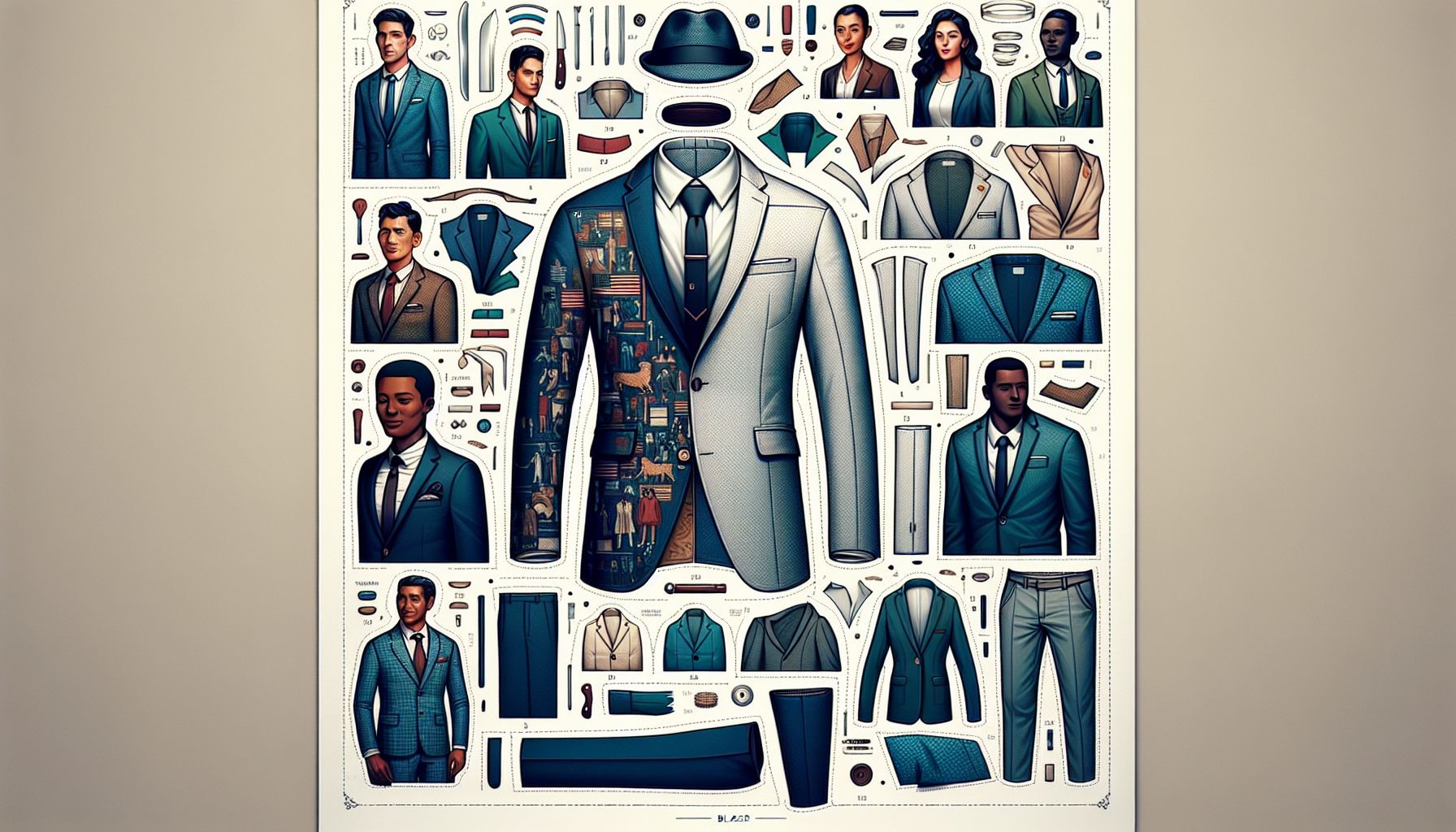
Modern wardrobes are made up of elements that date way back into history. One such evergreen piece is the blazer jacket, an elegant item that adds an extra edge to any ensemble. With history and versatility on its side, the blazer jacket is beyond passing fashion trends. It’s a powerful symbol of individuality, style, and authority that is here to stay.
The Historical Significance of the Blazer Jacket
In 1825, the Lady Margaret Boat Club in England came up with the concept of a “blazer” style jacket. Members of this sports club donned a brightly colored, streamlined jacket with brass buttons on their rowing expeditions. Hence, the first blazer was created as sportswear. Over time, it was popularly recognized as a mark of distinction and excellence in the world of academia, sports, and navy as a part of the uniform[^1^].
In the 1920s, Coco Chanel reintroduced the blazer jacket as a core part of women’s dressing, marking a transition from restrictive corsets to comfort dressing. Gradually entering into mainstream fashion, a blazer jacket soon became synonymous with power dressing.
Blazer Jacket: Anatomy and Types
A blazer jacket is characterized by a classic cut, well-defined shoulders, an elegant collar, buttons, and neat, clean lines. It’s available in various styles, fabrics, and designs. The two main categories are:
-
Double-Breasted Blazer: This style usually has six buttons, with traditionalists only buttoning the middle one. It lends a formal, more sophisticated look and heavily draws from the naval origins of blazers[^2^].
-
Single-Breasted Blazer: This less formal option typically features either one or two buttons. The bottom button is left unfastened to ensure a neat cut when moving or sitting down.
The Fabric Saga
From cotton casuals to plush velvets, the textile determines the overall appeal and purpose of the blazer jacket.
– Wool Blazer: Perfect for a wintry mix, wool blazers offer a plush, warm feel.
– Linen Blazer: Ideal for summer or warmer climates, linen blazers are lightweight and breathable.
– Velvet Blazer: This luxurious fabric makes for a great evening-wear option.
– Tweed Blazer: A classic favorite, tweed blazers are great for a vintage, laid-back feel.
How to Style a Blazer Jacket
-
With T-shirts: For a casual, chic look, pair a cotton or denim blazer with a simple t-shirt and jeans.
-
With Dresses: Make your summer dress winter-ready by pairing it with a wool blazer. It’s a great way to add a formal touch to a simple dress.
-
With Skirts: A blazer jacket can take a pencil skirt ensemble from just professional to powerful.
-
With Trousers: A matching blazer and trouser, or a suit, is a combination that demands attention. Opt for a fitted, single-breasted blazer for a sharper look.
The Power of a Blazer Jacket
Versatile and easy to style, the blazer jacket has evolved into the epitome of power dressing. A quality blazer is an investment piece. It enhances confidence, positively impacts perception and reflects professionalism[^3^].
In conclusion, a blazer jacket is far more than just an item of clothing; it represents style, status, and strength. It’s an essential part of contemporary fashion, a treasure that must occupy its rightful place in anyone wanting to make a statement with their attire.
[^1^]: Thomas, P. (2007). The history of the blazer. Fashion History Love. Retrieved from http://www.fashionhistorylove.com/the-history-of-the-blazer.html
[^2^]: King, A. (2020). Double breasted vs single breasted suits. Bellatory. Retrieved from https://bellatory.com/clothing/Double-Breasted-vs-Single-Breasted-Suits
[^3^]: Hendricks, J. (2021). Why attire is important in the workplace. Bizfluent. Retrieved from https://bizfluent.com/info-7936977-attire-important-workplace.html