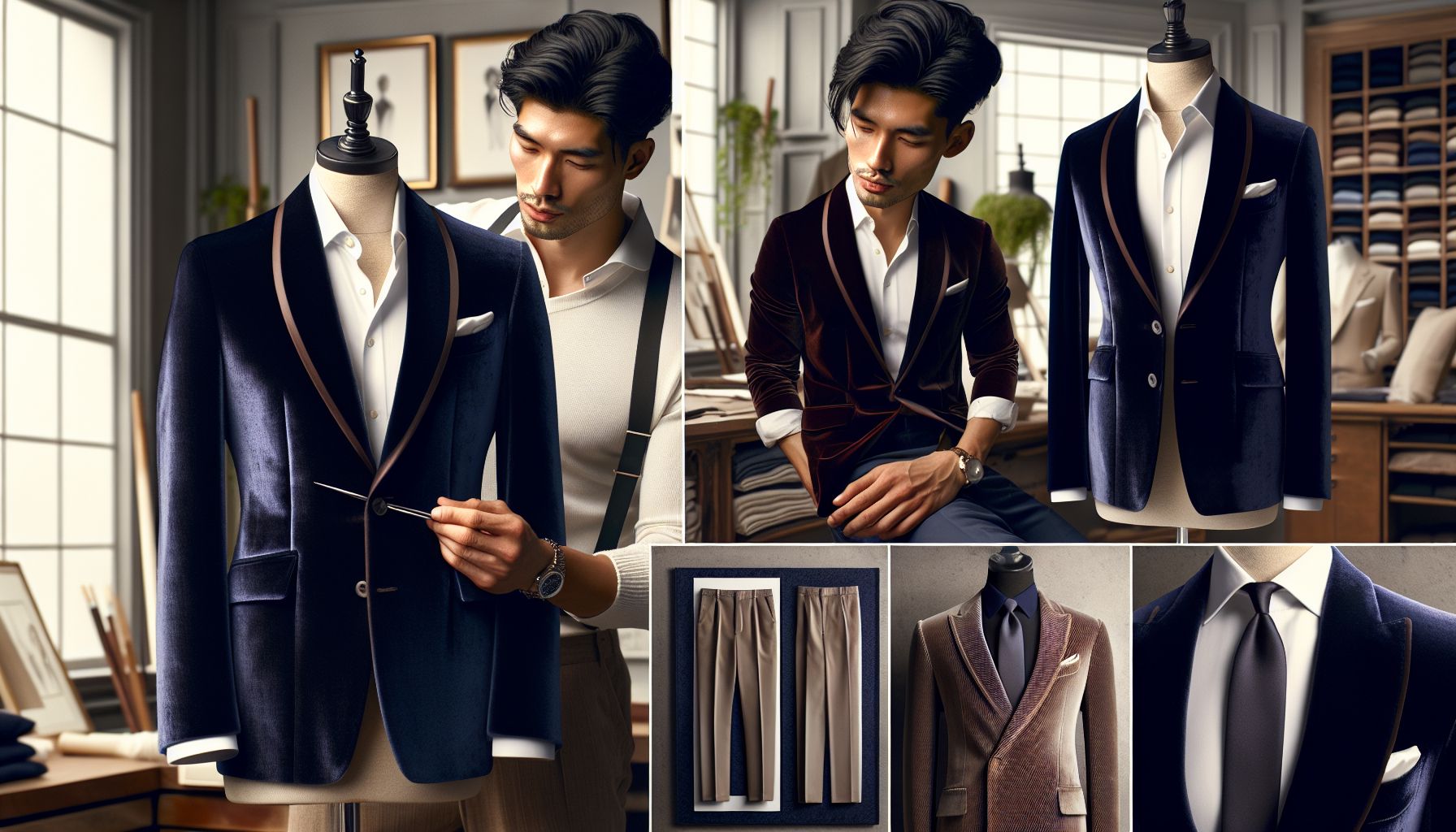
A velvet blazer is an audacious yet sophisticated fashion statement, that, when worn right, can lend an air of mysterious intrigue or classic charm to your ensemble.
But how do you properly wear and style a velvet blazer? Where can you don the sartorial layer and effectively stunt the look? Whether you’re a seasoned fashionista or a budding style enthusiast learning to mix and match, this guide will help you confidently navigate the world of velvet blazer looks.
A Brief History of Velvet Blazers
Before we dive into styling tips, let’s explore the historical significance of velvet blazers.
Velvet, a luxurious pile fabric, boasts a rich history dating back to 2000 BC. Initially produced in Kashmir, velvet found its place within royal wardrobes due to its opulent and captivating texture. Historical texts cite its prevalence in the attire of Egyptian royalty, Chinese dynasties, and European nobility.
The adoption of velvet into the blazer design is a more modern trend, reminiscent of the ’70s and later revitalized in the ’90s. The incorporation of velvet into blazer design took the fabric from the realm of royalty and nobility and made it accessible to the discerning public ^(1)^.
Why Choose a Velvet Blazer?
Blazers are a versatile piece of clothing that can add sophistication, elegance, or casual panache, depending on how you decide to style it.
A velvet blazer, in particular, exudes a level of grandeur that transcends the norm. It’s a fabric that feels as good as it looks. The sumptuous texture of velvet adds a tactile aesthetic, while its light-reflecting properties provide an appealing luster.
Velvet blazers are not just appealing to the eyes and touch; they are incredibly versatile. They can be dressed up or down, work well with a variety of other materials, and come in a spectrum of vibrant, saturated colors – all contributing to their popularity ^(2)^.
Styling a Velvet Blazer: Top Tips
1. Get the Fit Right
Fit is a key aspect when it comes to wearing a blazer. You want your velvet blazer to be well-fitted, neither too tight nor too baggy. Essentially, it should flatter your body shape without compromising your comfort.
2. Embrace Color
Velvet blazers come in a wide array of colors, so feel free to experiment. While blacks and grays are always safe choices, don’t shy away from more vibrant colors. Rich blues and warm burgundies, for instance, are perfect for adding a pop of color to winter outfits.
3. Pair with Contrasting Textures
When pairing your velvet blazer, try to mix it with different textures to create an interesting contrast. For instance, pair your velvet blazer with a silk blouse or a crisp cotton shirt to create an exciting juxtaposition.
4. Keep It Simple
Finally, let your velvet blazer be the star of your ensemble. Keep the rest of your outfit simple to allow the blazer to stand out. A pair of sleek fitted jeans or a simple black dress can offer the perfect canvas for your blazer to shine.
Places to Wear Your Velvet Blazer
Now that you’re ready to style your velvet blazer, let’s explore where you can rock this look!
-
At the Office: Yes, velvet blazers can work in a professional setting. Opt for a tailored blazer in a dark color like black, blue, or burgundy. Pair it with a turtleneck sweater and wide-leg trousers for a polished and on-trend outfit.
-
Night Out: Velvet blazers are perfect for a night out on the town. For a more daring look, pair your blazer with a sequined top and skinny jeans.
-
Casual Day Out: Who said blazers are only for formal settings? Dress down your velvet blazer by pairing it with a solid t-shirt and jeans.
-
Weddings or Parties: A velvet blazer can elevate your party-wear game. Pair it with a cocktail dress or a pair of tailored trousers and a satin blouse for a stand-out appearance ^(3)^.
The velvet blazer, with its regal appeal and textured allure, makes a grand fashion statement. With proper styling and the right context, you can effortlessly navigate through any setting, be it formal or casual. So, why wait? Go ahead and incorporate this plush piece into your wardrobe.
Sources: